
Migraines are often misunderstood as simple headaches, but they involve much more than discomfort. These neurological episodes are frequently triggered by muscle tension, poor posture, or compressed nerves, particularly around the neck and shoulder region. The connection between these physical triggers and migraine onset is well-documented, making physical relief an essential part of long-term management.
While medication can help dull the intensity of symptoms, many are now turning to massage therapy in Edmonton for migraines as a proactive solution. This hands-on approach not only relieves immediate pain but also addresses muscular imbalances and pressure points that contribute to recurring migraines.
The Role of Neck and Shoulder Tension in Migraines
The neck and shoulders are often the first areas to show signs of stress. Hours spent at a desk, poor sleep posture, or daily emotional strain can lead to tight muscles in these regions. These tightened muscles may compress nerves or restrict blood flow to the head, aggravating migraine symptoms or even initiating them.
When tension builds around the cervical spine and trapezius muscles, it often radiates upward toward the base of the skull. This referred pain mimics or intensifies migraine symptoms. Through consistent and targeted massage sessions, these muscles can be softened and lengthened, reducing the frequency of migraines.
In particular, techniques such as trigger point therapy and myofascial release are used to release knots that aggravate the occipital nerves. Addressing them through skilled touch can make a noticeable difference in both the severity and duration of migraines.
Benefits of Head and Neck Massage for Migraine Sufferers
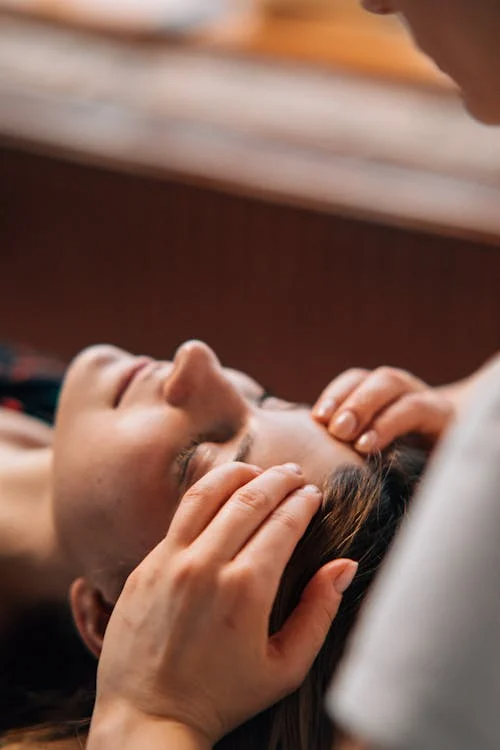
Head and neck massage is not just about relieving physical pressure. It also works to balance the autonomic nervous system by reducing cortisol levels and promoting the production of serotonin and dopamine, chemicals that help regulate pain and mood.
Many clients who experience migraines also report related symptoms such as jaw clenching, eye strain, and vertigo. Massage in the upper back, neck, and base of the skull can ease these symptoms simultaneously, offering comprehensive relief.
The act of receiving a massage also enhances proprioception—the body’s awareness of position and posture, which helps prevent poor alignment that can lead to future tension build-up. This makes it not only a corrective but also a preventive form of care.
Techniques That Target Migraine Triggers
Different techniques can be employed depending on the source and nature of the migraine. Some clients benefit most from slow, deep pressure in the neck and shoulders, while others respond to lighter, rhythmic touch along the scalp and temples.
Cranial sacral holds, often used in craniosacral therapy, help reduce cerebrospinal fluid pressure and ease nervous system overstimulation—factors often linked with migraines. Meanwhile, passive stretching of the neck and shoulders during massage sessions improves joint mobility, reducing stiffness that can worsen migraine episodes.
Therapists may also use compressions and friction techniques to stimulate lymphatic drainage, which reduces inflammation and clears metabolic waste from the tissues. When inflammation in the cervical and shoulder regions decreases, pain signals traveling to the brain lessen as well.
Frequency and Consistency in Massage for Long-Term Results
Migraine relief through massage is rarely immediate or permanent after one session. Instead, regular sessions help retrain muscle memory and promote long-term structural balance. For those with chronic migraines, a weekly or bi-weekly schedule may initially be necessary, followed by maintenance sessions based on improvement.
Clients often notice fewer migraine episodes, shorter duration, and a drop in severity over time. With reduced reliance on medication, side effects from pharmaceuticals are minimized, and individuals regain control over their wellness routines.
Massage also complements other forms of treatment such as chiropractic adjustments, acupuncture, or physical therapy. When used as part of a larger wellness approach, it becomes a powerful tool in managing migraines holistically.
Supporting Recovery with the Right Environment
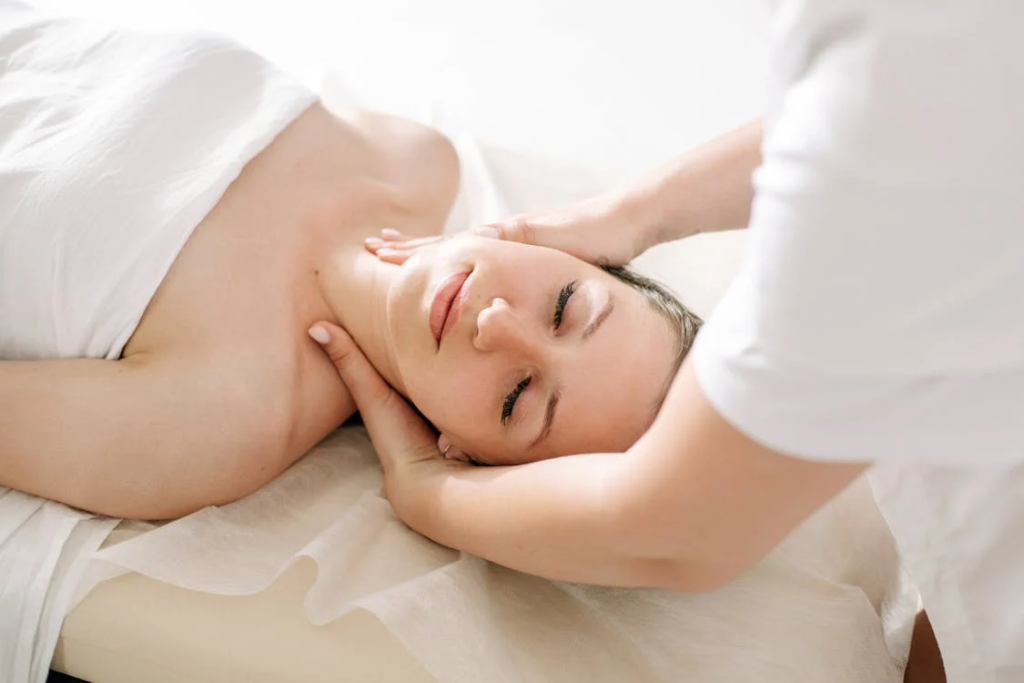
A therapeutic setting plays a significant role in massage outcomes. Calm lighting, low noise levels, and a secure environment help the body relax more completely during treatment. This emotional and physical relaxation contributes to lower pain sensitivity and better nervous system regulation.
Therapists trained in migraine-related techniques also bring an informed, gentle approach that focuses on client comfort and symptom monitoring throughout the session.
Start Relieving Migraine Pain Naturally
Managing migraines through massage is an effective and natural strategy, especially when focused on tension in the neck and shoulders. Techniques that address nerve compression and muscle stiffness not only offer immediate comfort but also build a foundation for long-term wellness. Those seeking a non-medication option for migraines often find that hands-on therapy can transform the way they manage daily discomfort.
For clients looking to integrate this care into their routine, sessions focused on head and neck massage in Edmonton, massage therapy for stress relief, or even craniosacral therapy in Edmonton can provide noticeable improvements. Book your appointment today with Healing Oasis Massage & Wellness and begin reducing migraine triggers at the source—where relief truly begins.
Contact us today.
