
Injuries from daily activity, sports, or repetitive work often start small but can quickly limit movement and comfort. Muscle strains, tendon irritation, and overuse injuries reduce circulation and create protective tension around the affected area. Massage therapy supports recovery by restoring movement, improving blood flow, and helping the body heal without aggressive intervention when applied at the right stage.
How Massage Supports the Healing Process
After an injury, surrounding muscles often tighten to protect the area. While this response feels helpful at first, prolonged tension slows healing. Massage helps relax these guarded muscles, allowing oxygen and nutrients to reach damaged tissue. This process speeds repair and reduces stiffness. In a rehab-focused massage approach, therapists adjust pressure and techniques based on injury stage to avoid aggravation.
Improving Mobility After Strains and Overuse
Restricted movement is common after strains or repetitive stress injuries. Massage works on shortened muscle fibers and connective tissue that limit the range of motion. As tissues soften, joints move more freely. This makes massage for injury recovery in Edmonton especially useful for shoulders, hips, knees, and lower back issues caused by work strain or athletic training.
Reducing Pain Without Overloading the Body
Pain often persists when muscles remain tight and inflamed. Massage helps lower pain signals by reducing muscle tension and calming the nervous system. Techniques such as controlled pressure and rhythmic strokes support comfort without forcing movement. Many people managing activity-related pain benefit from deep tissue massage once acute inflammation settles and tissues can handle firmer work.
Supporting Sports and Active Lifestyles
Athletes and active individuals place repeated stress on the same muscle groups. Over time, micro-tears and tightness develop. Regular sports massage sessions help maintain muscle balance, reduce soreness, and prevent minor issues from becoming chronic injuries. Massage also supports faster recovery between training sessions, allowing consistent performance.
Circulation and Tissue Recovery
Improved circulation is a key factor in healing. Massage encourages blood flow, which helps remove waste products and deliver nutrients essential for tissue repair. Techniques that promote lymph movement can also reduce swelling around injured areas. When combined with proper rest and guided movement, massage becomes a reliable recovery tool within massage therapy care plans.
Choosing the Right Timing and Provider
Timing matters in injury recovery. Massage works best when inflammation stabilizes and tissues can respond safely to touch. Working with a professional massage clinic ensures therapists understand injury stages and apply appropriate methods. This reduces risk while maximizing results.
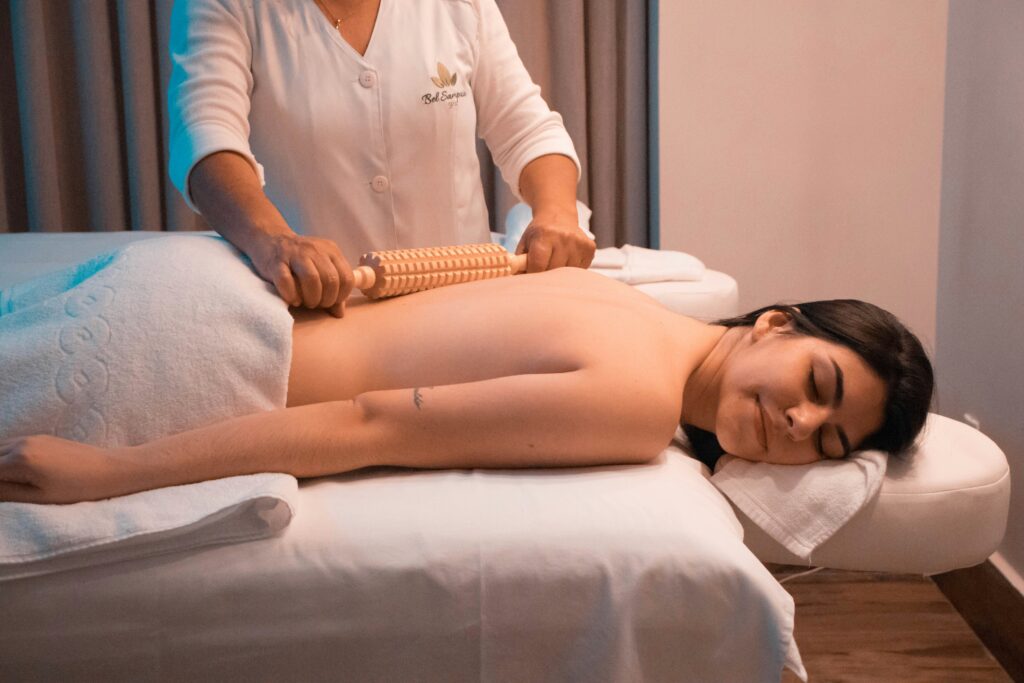
Healing Oasis Massage & Wellness: Supporting Recovery With Care
Injury recovery requires patience, proper movement, and skilled support. Massage offers a safe way to restore mobility, reduce pain, and help the body repair itself after strains and overuse. At Healing Oasis Massage & Wellness, therapists focus on informed, recovery-based care designed to support healing without strain with professional massage. Book an appointment with us today and take a steady step toward stronger movement and long-term comfort.
