
Pain is no longer limited to physical jobs. Studies show that over 1.7 billion people of the world report musculoskeletal issues. Neck pain, lower back pain, wrist strain, and hip tightness are now common complaints. These problems affect young adults as much as older adults. The cause is not injury. The cause is how modern life works.
Technology, long commutes, and reduced movement are reshaping how the body feels and functions. These habits lead to new musculoskeletal issues that did not exist at this scale decades ago. Pain now develops quietly and builds over time. Many people feel stiff, tired, or sore without knowing why.
Screens Are Changing Body Mechanics
Screen use dominates daily life. People look down at phones for hours. They sit at computers all day. This posture shifts the head forward and rounds the shoulders.
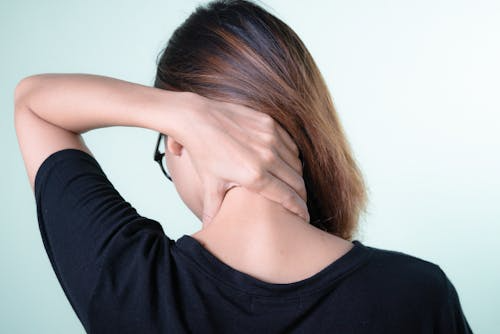
The adult human head weighs about 10 to 12 pounds. When it tilts forward, the neck supports much more load. This strain causes tight neck muscles and upper back pain. Over time, this leads to headaches and shoulder tension.
Hands and wrists also suffer. Repetitive typing and scrolling strain small muscles and tendons. This increases wrist pain and forearm tightness. These are new musculoskeletal issues linked directly to screen habits.
Sitting Has Replaced Natural Movement
The body was built to move often. Modern life limits movement. Many people sit for more than 8 hours per day. Sitting shortens hip muscles and weakens glutes. The lower back takes more strain as a result.
Static sitting also reduces blood flow. Muscles receive less oxygen. Waste products build up. This causes stiffness and soreness. The body feels heavy and slow by the end of the day.
Standing desks help but do not solve the issue alone. The body still needs varied movement. Without it, pain patterns continue to form.
Commuting Adds Hidden Strain
Long commutes place the body in fixed positions. Driving tightens the hips and lower back. Public transit often forces awkward posture.
Stress during commuting also matters. Traffic raises tension in the shoulders and jaw. The nervous system stays alert. Muscles stay tight longer.
Over time, this daily strain leads to chronic pain. Lower back pain and hip discomfort become common. These are modern musculoskeletal issues linked to lifestyle patterns, not injury.
Reduced Activity Weakens Support Muscles
Modern work reduces physical demand. This weakens muscles that support joints. Weak muscles tire faster. Strong muscles protect joints.
When support muscles weaken, other muscles overwork. This creates imbalance. Pain appears in unexpected areas. Knees ache. Hips feel stiff. Shoulders burn after light tasks.
Movement loss also affects coordination. The body becomes less efficient. Simple actions feel harder. This adds to fatigue and pain.
Stress Amplifies Pain Patterns
Mental stress affects the body. Stress raises muscle tension. It also increases pain sensitivity.
People under stress clench their jaw. They raise their shoulders. They breathe shallow. These patterns increase tightness and reduce oxygen delivery.
Chronic stress combined with poor posture creates lasting pain. The body does not reset on its own. New musculoskeletal issues develop slowly and persist longer.
Why Pain Feels Different Now
Modern pain often feels widespread. It shifts locations. It flares without injury. This confuses many people.
This pain comes from overload, not trauma. Muscles stay tight for long periods. Joints move less. Circulation slows. The nervous system stays alert.
Traditional rest does not fix this pain. The body needs movement, circulation, and relaxation.
How Massage in Edmonton Helps Modern Pain
Massage in Edmonton addresses modern pain patterns directly. It improves blood flow to tight tissues. It reduces muscle holding. It calms the nervous system.
A professional massage targets areas stressed by screens, sitting, and commuting. The neck, shoulders, hips, and lower back receive focused care.

Massage treatment also helps restore movement. Muscles soften. Joints move with less resistance. Pain reduces over time.
A massage therapist understands how lifestyle habits affect the body. They adjust pressure and focus based on tension patterns. This supports better recovery.
Consistent Care Makes a Difference
One session helps. Regular massage service helps more. Consistency allows the body to reset tension patterns.
Massage in Edmonton offers local access to ongoing care. Regular sessions help manage pain before it becomes severe.
Massage works best with simple habits. Short walks help. Stretch breaks help. Hydration supports tissue health. Together, these steps reduce new musculoskeletal issues.
The Body Needs Support in Modern Life
Modern lifestyles demand more from the body than ever. They limit movement and increase stress. Pain follows these patterns.
Ignoring pain allows it to settle deeper. Addressing it early helps prevent long term issues. The body responds well to care that restores movement and circulation.
New musculoskeletal issues are not inevitable. With proper care and support, the body can adapt and recover.
Gewt Rid Of New Musculoskeletal Issues with Healing Oasis Massage & Wellness
Modern pain needs modern care. Healing Oasis Massage & Wellness provides professional massage designed to address new musculoskeletal issues caused by daily life. Each massage treatment in Edmonton supports muscle relaxation, improved circulation, and stress relief. Our massage service helps reduce pain linked to screens, sitting, and commuting.
If you are looking for massage in Edmonton that supports real recovery, contact us now to book your session today and help your body feel better again.
