
Many people believe rest equals recovery. They stop moving. They lie down more. They wait for pain to fade. Yet pain often stays. Stiffness increases. Energy drops. This pattern frustrates millions. In Canada, nearly one in five adults lives with ongoing pain.
Many rest more to feel better. Many feel worse instead. The problem is not effort. The problem is the idea of recovery itself. Healing does not happen through stillness alone. The body needs active healing to repair, adapt, and restore function.
Why Rest Alone Falls Short
Rest helps in the early phase of injury. It reduces strain. It protects damaged tissue. But rest has limits. Muscles weaken with inactivity. Joints stiffen. Blood flow slows. Nerves become more sensitive. After a short time, rest creates new problems. Pain lingers because tissues do not get the signals they need to recover fully.
What Active Healing Really Means
Active healing means guided input. It supports the body without overload. It keeps tissues moving gently. It improves circulation. It calms the nervous system. This process helps repair while reducing stiffness. Active healing works with the body, not against it.
Movement Feeds Recovery
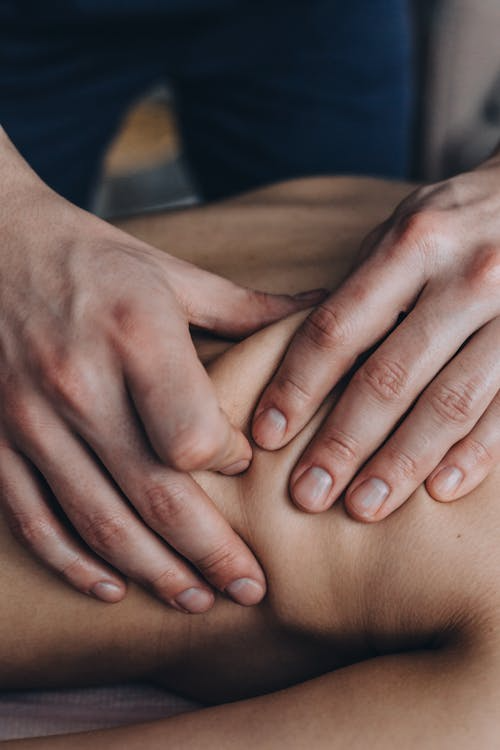
Muscles heal through movement. Gentle motion brings oxygen and nutrients. It clears waste from tissue. This process supports repair. When movement stops, healing slows. Pain signals stay active longer. Active healing keeps the body informed that movement remains safe.
The Nervous System Needs Input
Pain does not live in tissue alone. It involves the nervous system. When movement stops, nerves stay alert. They expect threat. This alert state keeps pain signals strong. Active healing helps reset this response. Gentle care teaches the nervous system that the body feels safe again.
Why Doing Nothing Often Feels Worse
Many people notice pain increases after long rest. Morning stiffness worsens. Simple tasks feel harder. This happens because tissues lose glide. Muscles tighten to protect joints. Circulation drops during stillness. Active healing prevents this cycle.
How Massage Supports Active Healing
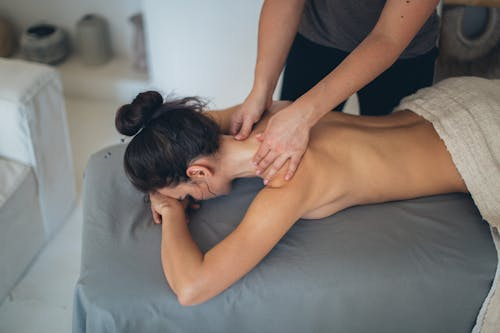
Massage therapy provides controlled input. A massage therapist works with muscles and connective tissue. Pressure improves blood flow. Touch calms nerve signals. This support helps tissues relax without strain. Massage treatment also improves awareness of tight patterns. This awareness supports better movement outside sessions.
Massage in Edmonton offers this form of care. A consistent massage service fits well within active healing plans. Sessions support recovery without overload.
Active Healing Versus Pushing Through Pain
Active healing does not mean forcing movement. It avoids sharp pain. It avoids strain. It stays within comfort. This approach differs from pushing through discomfort. Pain during activity often signals overload. Active healing respects limits while keeping tissues engaged.
Why Timing Matters
Healing follows stages. Early stages need protection. Later stages need movement. Staying in rest too long delays progress. Active healing adapts to each stage. Massage treatment fits well once swelling settles. Gentle movement supports later repair.
Daily Habits Support Active Healing
Small actions matter. Short walks improve circulation. Stretching supports joint motion. Posture breaks reduce strain. These habits keep tissues responsive. Massage therapy in Edmonton supports these habits by reducing tension that blocks movement.
Active Healing Builds Long-Term Comfort
Pain relief lasts longer with active care. Muscles stay strong. Joints stay mobile. Nerves calm faster. Active healing prevents setbacks that come from inactivity. It supports real recovery instead of short relief.
Why Consistency Matters
One session helps. Regular sessions help more. The body learns through repetition. Each session reinforces calm signals. Each movement reinforces strength. Active healing works best with steady care.
Active Healing Fits All Lifestyles
This approach suits desk workers. It suits athletes. It suits aging bodies. It adapts to needs without excess strain. Massage therapy supports this flexibility.
Recovery Needs Participation
The body heals when it receives input. Rest protects. Active healing restores. Both matter. Ignoring either delays progress. Balanced care produces better results.
Move Forward With Confidence with Healing Oasis Massage & Wellness
True recovery needs more than rest days. At Healing Oasis Massage & Wellness, we support active healing through thoughtful massage treatment. Each massage service helps restore movement, improve circulation, and calm pain signals.
Our massage therapists in Edmonton guide the body toward lasting comfort without overload. Contact us now to book your massage in Edmonton today and support recovery that works with your body, not against it.
