
Foot massage is often viewed today as a relaxing add-on in spa settings, but its origins are steeped in centuries of practice across various cultures. These traditional techniques weren’t simply designed for comfort—they were embedded with intention, spirituality, and a deep understanding of the human body. What modern practitioners now refer to as reflexology or therapeutic massage draws heavily from these time-honored rituals.
In foot massage in Edmonton and across wellness clinics globally, remnants of these ancient practices still shape how feet are treated as gateways to total body support.
Ancient Chinese Pressure Mapping and Meridian Lines
Traditional Chinese Medicine (TCM) played a significant role in shaping modern massage protocols through its detailed mapping of pressure points along the feet. These zones—connected to meridian lines flowing throughout the body—were stimulated to improve qi, or life force energy. In TCM philosophy, when qi is blocked or imbalanced, discomfort and illness arise.
The act of pressing specific points on the soles was believed to influence internal organs, aid digestion, reduce headaches, and even ease emotional tension. Today, this same concept underpins practices like reflexology and manual osteopathy therapy, where foot stimulation continues to be used to support broader systemic health.
Indian Ayurvedic Marma Therapy
Ayurveda, India’s ancient healing system, also holds a sacred view of the feet. Within this framework, “marma points” are considered vital energy centers. The feet alone contain numerous marma points tied to the nervous system, reproductive organs, and gastrointestinal tract.
Foot massage in Ayurvedic settings often incorporates warm herbal oils selected for a person’s dosha (mind-body constitution), with movements performed in a specific rhythmic sequence. These foot rituals are thought to release mental tension and restore physiological balance. This same soothing principle forms the backbone of relaxation massage in Edmonton, where the goal is to reduce anxiety and physical fatigue through intentional pressure and flow.
Egyptian and Middle Eastern Healing Through Sole Stimulation
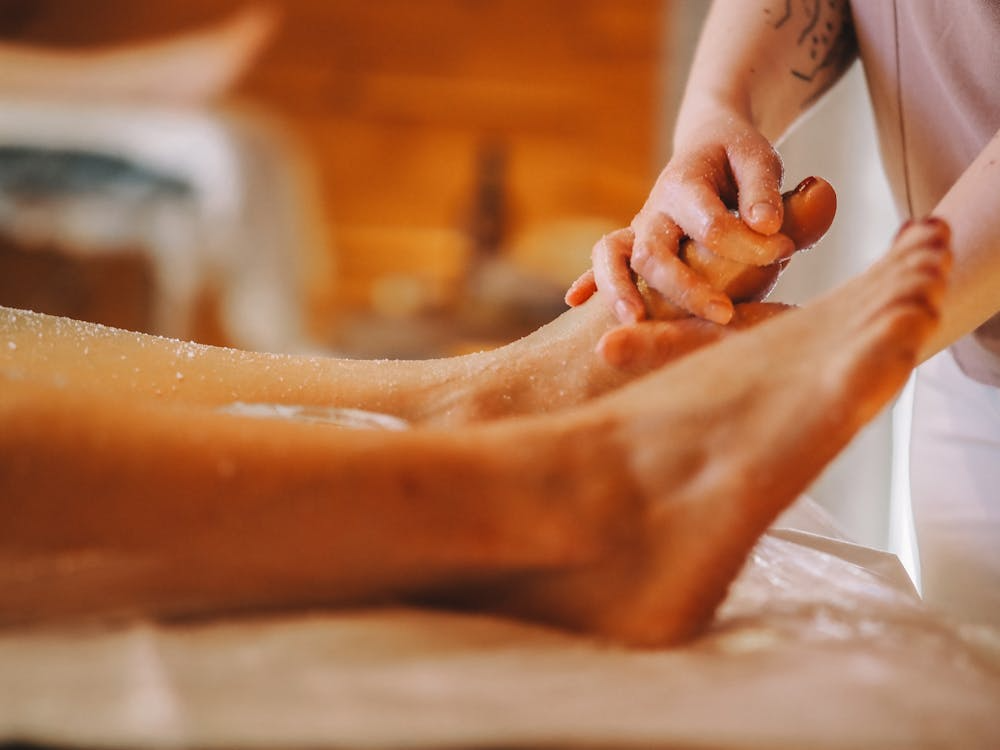
Evidence of foot massage rituals in ancient Egypt dates back to wall carvings from around 2500 BCE. These illustrations show practitioners massaging both hands and feet of clients, suggesting that tactile healing was valued in elite and medical circles alike.
Middle Eastern traditions often infused these rituals with cultural meaning. Oils, herbs, and temperature-based techniques were used alongside religious or spiritual chants, reinforcing the connection between body and soul. Today, foot-focused treatments in massage & wellness clinics borrow elements of these techniques, emphasizing warmth, grounding touch, and oils that calm the nervous system.
African Practices Rooted in Ancestral Knowledge
In many African cultures, foot care was and remains a form of community-centered wellness. Elders often performed foot massages on younger members using heated stones, braided grasses, or even wooden tools to increase blood flow and prevent disease.
The emphasis on circulation and grounding in African practices is echoed today in deep tissue massage in Edmonton and sports recovery protocols. Strong pressure, friction-based strokes, and targeting fascia in the feet are now used in clinical settings to promote muscular release and improve posture, techniques that mirror those passed down across generations.
Thai Foot Massage as Energy Pathway Activation
Thai foot massage draws from both Ayurvedic and Buddhist influences. Known locally as “Nuad Tao,” this technique includes using the thumbs, knuckles, and wooden sticks to press along what are known as Sen lines—similar in concept to Chinese meridians.
Thai practitioners believe that energy blockages in the feet can lead to emotional or physical ailments elsewhere in the body. By stimulating these Sen lines, therapists aim to refresh both body and mind. Modern therapists trained in Thai massage frequently incorporate these methods in wellness centers to address chronic fatigue, brain fog, and immune challenges.
Japanese Reflex Zone Therapy
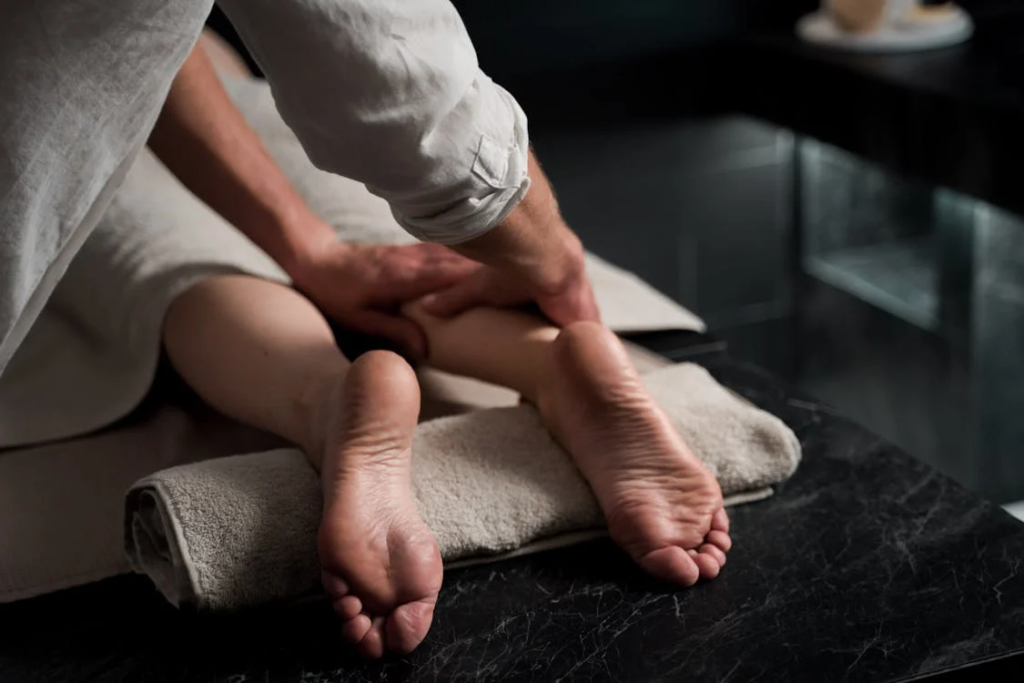
Japan’s contribution to foot massage includes the development of zone therapy, a predecessor to Western reflexology. Techniques here focused more on specific zones rather than meridian pathways, emphasizing scientific study and anatomical charts to show where pressure application might affect bodily functions.
This precise approach is reflected in today’s massage therapist practice, where sessions often combine foot massage with targeted bodywork based on symptoms and medical history. These foot rituals are no longer seen as indulgences but as powerful tools in maintaining energy levels, mental clarity, and emotional stability.
Cultural Wisdom Still Shaping Foot Massage Today
Incorporating foot massage in Edmonton into a regular self-care routine does more than pamper the feet—it connects individuals to a deeper, global history of therapeutic healing. From those experiencing chronic fatigue to professionals seeking mental clarity or seniors managing circulatory issues, these time-tested techniques remain relevant.
For those looking to experience the restorative power of culturally inspired foot treatments, booking a session in massage therapy in Edmonton or massage & wellness in Edmonton can offer immediate and long-term benefits. Let ancient wisdom support modern well-being through the healing power of skilled hands and focused attention at Healing Oasis Massage & Wellness.
Contact us today.
