Stretching is often the first thing people turn to when they feel tight, sore, or restricted. It feels logical. Lengthen the muscles, ease the tension, and movement should improve. Yet many people discover a frustrating truth: despite stretching daily, pain returns, stiffness lingers, and progress stalls. This is the recovery gap. Stretching improves flexibility, but it does not always address the deeper tissue restrictions, nervous system responses, and compensation patterns that limit real healing. To restore function, reduce pain, and support long-term recovery, hands-on care plays a critical role.
Why Stretching Has Limits
Stretching primarily affects muscle length and joint range of motion. It does not directly treat adhesions, trigger points, inflammation, or scar tissue that develop after injury, stress, or repetitive strain. When tissues are inflamed or guarded, stretching can even irritate sensitive areas, causing temporary relief followed by rebound tightness.
This is why people with chronic discomfort often feel better briefly, then regress. True recovery requires improving circulation, reducing tissue density, and calming the nervous system, elements that stretching alone cannot achieve.
The Role of Hands-On Care in Tissue Healing
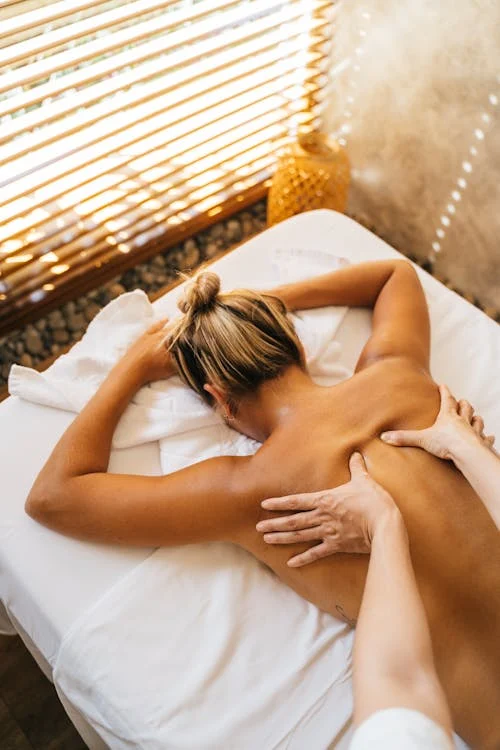
Hands-on care targets the layers beneath the surface. Through skilled touch, therapists assess how tissues move, where restrictions exist, and how different regions compensate for one another. Techniques such as deep tissue massage in Edmonton help release dense muscle fibers and fascia, improving circulation and restoring mobility.
By breaking down adhesions and improving oxygen flow, hands-on care supports natural healing processes that stretching cannot reach. This approach is essential for people managing persistent stiffness, work-related tension, or movement limitations.
Addressing Pain at Its Source
Pain rarely exists in isolation. Tight hips may be linked to lower back strain. Neck stiffness may originate from shoulder tension or postural habits. Stretching targets the symptom, not the source. Hands-on therapies allow practitioners to trace pain patterns back to their origin.
Treatments like manual osteopathy use gentle mobilization to improve joint alignment and movement coordination, reducing strain on surrounding muscles. This comprehensive approach helps the body move more efficiently and reduces recurring discomfort.
Recovery After Injury and Overuse
After an injury, tissues heal unevenly. Scar tissue forms to protect damaged areas, but it also restricts movement. Stretching alone cannot remodel scar tissue effectively. Techniques used in massage for injury recovery in Edmonton focus on restoring elasticity and preventing long-term stiffness.
Athletes, office workers, and individuals recovering from accidents benefit from targeted care that rebuilds tissue resilience. In these cases, sports massage supports performance while reducing the risk of re-injury by addressing overworked muscles and imbalances.
Stress, the Nervous System, and Movement
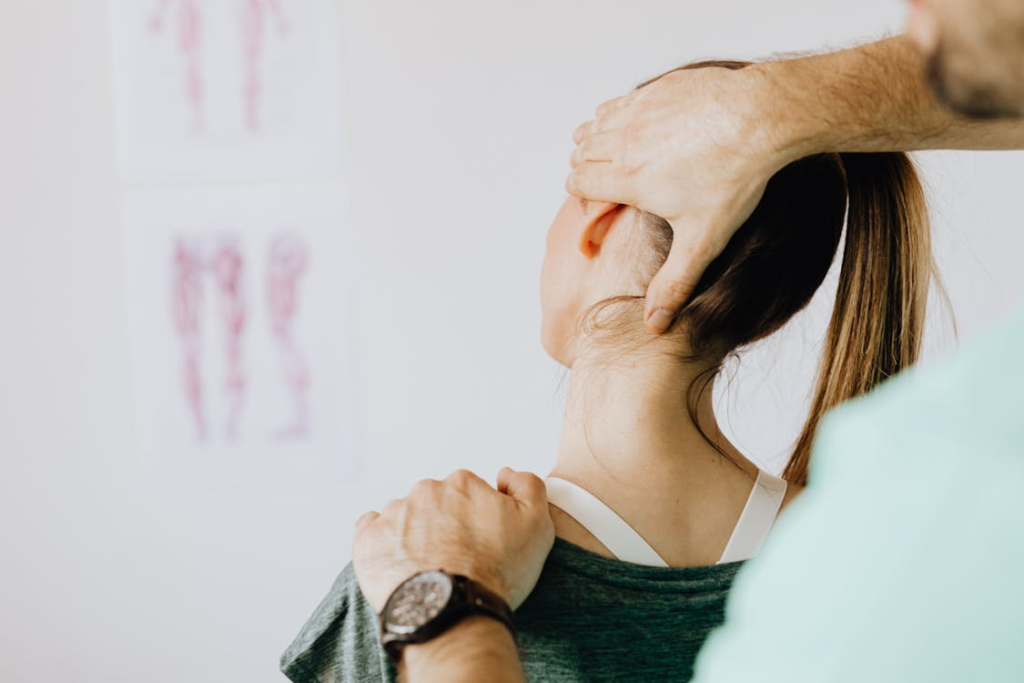
Stress changes how the body moves. When the nervous system remains in a heightened state, muscles stay tense, breathing becomes shallow, and pain sensitivity increases. Stretching does little to calm this response. Hands-on care, including massage therapy for stress relief, lowers cortisol levels and activates the parasympathetic nervous system.
This shift allows muscles to release naturally and improves sleep, focus, and overall recovery. For many people, relaxation is not a luxury; it is a necessary part of healing.
Chronic Pain Requires More Than Flexibility
People living with long-term discomfort often stretch diligently without results. Chronic pain involves altered movement patterns, nerve sensitivity, and tissue changes that stretching cannot resolve.
Techniques such as massage for chronic pain in Edmonton address these factors by improving circulation, reducing inflammation, and retraining the body to move without guarding. When pain decreases, confidence in movement returns, allowing stretching to become supportive rather than frustrating.
Integrating Stretching with Manual Care
Stretching is not useless. It is incomplete on its own. When combined with skilled manual care, stretching becomes far more effective. After tissues are softened and circulation improves, stretches reach deeper layers and hold longer.
Many clients experience lasting relief when stretching is paired with the best massage therapy practices that address both structure and function. This integrated approach supports sustainable progress rather than short-lived improvement.

Choosing the Right Support
Not all care is the same. Selecting a qualified massage therapist ensures techniques are tailored to individual needs, whether addressing posture, injury history, or daily stress. A reputable massage clinic focuses on assessment, personalized plans, and measurable outcomes. This level of care helps clients move beyond symptom management toward meaningful recovery.
Why Consistency Matters
One session can bring relief, but consistent care creates change. Regular massage service improves tissue quality over time, reduces compensatory strain, and supports healthy movement patterns.
Combined with guided stretching, consistent hands-on care prevents minor issues from becoming chronic problems. This is especially important for individuals balancing demanding schedules, physical work, or sedentary routines.
Close the Recovery Gap
Stretching alone cannot address the complexity of pain, tension, and movement limitations. Hands-on care fills the gap by treating deeper tissues, calming the nervous system, and restoring functional movement.
At Healing Oasis Massage & Wellness, we focus on evidence-based care that supports lasting recovery and improved quality of life. If stretching has reached its limit, it may be time to explore comprehensive support through massage therapy in Edmonton.
Take the next step toward better movement and lasting relief. Learn more about our integrated care at our massage & wellness clinic, contact us directly through our contact page,or book your massage appointment online today. You can also call us at 587-200-0480 to speak with our team and begin closing the recovery gap with confidence.
